
Describe the property
Send the location, symptoms, equipment and access details. State whether the work is a repair, replacement or planned project.
Need duct cleaning in Oakville? Tell us which air ducts, dryer vent or ventilation equipment need attention. A responding provider will confirm coverage and availability before booking.
Get A Free QuoteCompare supply and return cleaning scopes, including register removal, negative-pressure collection, and which accessible branches can be inspected.
View scopeReview the full route from the dryer to the outdoor hood, including bends, elevated sections, transition hose, and a proposed airflow check.
View scopeAsk whether the scope includes an accessible evaporator coil, blower wheel and housing, and condensate drainage, with equipment instructions considered.
View scopeCompare proposed HRV core, screen, filter, condensate, and exhaust duct work against the unit model and accessible routes.
View scopeConsider treatment only after assessing the odour source and cleaning needs; check the product label, application area, and precautions.
View scopeDocument suspected leaks or damaged runs, then compare inspection findings and repair methods for the duct material and access available.
View scopeDefine the equipment, access, operating constraints, exclusions, and closeout records needed for an Oakville commercial property.
View scopeCommercial ventilation cleaning requires a site-specific scope because equipment, occupancy, access, and operating hours vary from one property to another. For a project in Oakville, gather equipment lists, floor plans, available maintenance records, and any access or scheduling constraints. Ask which air handlers, rooftop units, branches, and make-up air systems are included, and what documentation will be delivered. Restaurants, clinics, and offices may have different system layouts and operational requirements; confirm those details before comparing proposals.
Compare supply and return cleaning scopes, including register removal, negative-pressure collection, and which accessible branches can be inspected. Review the full route from the dryer to the outdoor hood, including bends, elevated sections, transition hose, and a proposed airflow check. Ask whether the scope includes an accessible evaporator coil, blower wheel and housing, and condensate drainage, with equipment instructions considered.
Compare proposed HRV core, screen, filter, condensate, and exhaust duct work against the unit model and accessible routes. Consider treatment only after assessing the odour source and cleaning needs; check the product label, application area, and precautions.
Document suspected leaks or damaged runs, then compare inspection findings and repair methods for the duct material and access available. Define the equipment, access, operating constraints, exclusions, and closeout records needed for an Oakville commercial property.
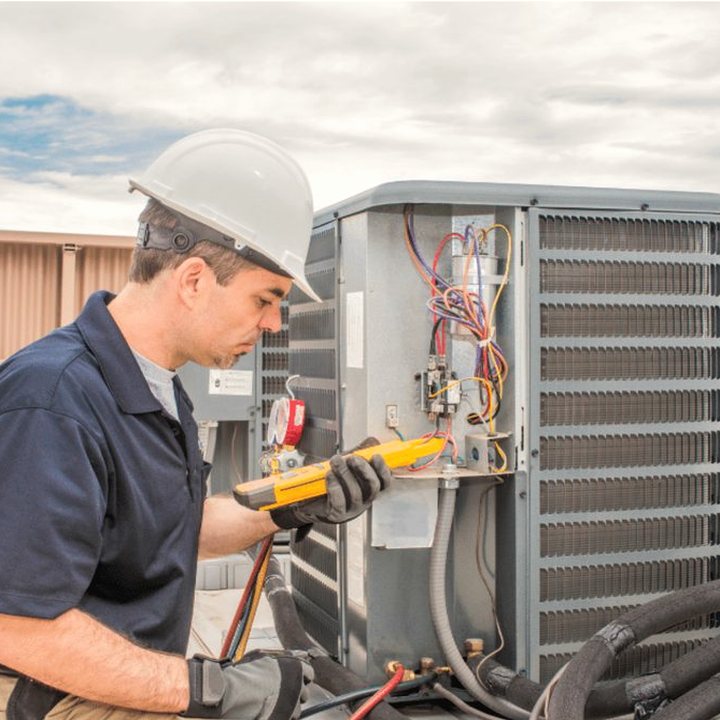
A dryer vent project should follow the complete route from the appliance connection to the outdoor termination, not stop at the first accessible section. For a home in Oakville, note whether the laundry area is in a basement, how many bends the vent appears to make, and where the exterior hood is located. Ask how the transition hose, vertical sections, and termination will be checked, and how airflow will be assessed after clearing. Longer or concealed routes may require different access planning.
Explore this serviceSend the location, symptoms, equipment and access details. State whether the work is a repair, replacement or planned project.
The request is reviewed so the responding provider can clarify the work, property access and service coverage.
Agree the provider identity, qualifications, written scope, pricing and visit window directly. Sending a form does not confirm an appointment.
Provide equipment schedules and identify rooftop units, make-up air systems, and accessible duct areas. Ask for a site survey or other assessment that explains quantities, access needs, and exclusions before accepting a proposal. Commercial systems are not simply residential ductwork at a larger scale; the components and layout affect labour and method. Confirm which systems and floor areas the quoted scope actually covers.
If an odour remains after a move or tenant change, first inspect likely sources such as surfaces, filters, and accessible duct interiors. Ask what evidence links the smell to the duct system and what areas a treatment would reach. Odours can have sources beyond duct surfaces, so treatment should not be presented as a guaranteed way to remove them.
If a basement dryer connects to a vent that rises through an exterior wall, ask how the full route and each accessible bend will be reached. Lint can collect along changes in direction, and cleaning only from the laundry room may leave sections untouched. Confirm whether the proposed method covers the riser and outdoor termination, and identify any concealed portion that cannot be inspected.
If a return duct is loose or open to a basement or wall cavity, ask whether air could be drawn from that space and how the connection will be sealed. The effect depends on the duct layout and system operation, so do not assume every dust concern comes from a return leak. Request clear identification of the affected side and the proposed repair.
If a kitchen renovation, addition, or other dusty project recently took place, ask whether the duct openings were protected and whether debris is visible inside accessible runs. Drywall dust may enter open returns during work, but its presence should be checked rather than assumed. Share project dates and photographs so the cleaning scope can account for affected branches.
Use the form to describe the property, the symptoms and the work requested. For Burlington, Milton, Mississauga, Georgetown, include your postal code so local coverage can be checked.
For a property in Oakville and Halton, describe the work and access details in the form. The listed locations do not confirm a provider's travel range or availability.